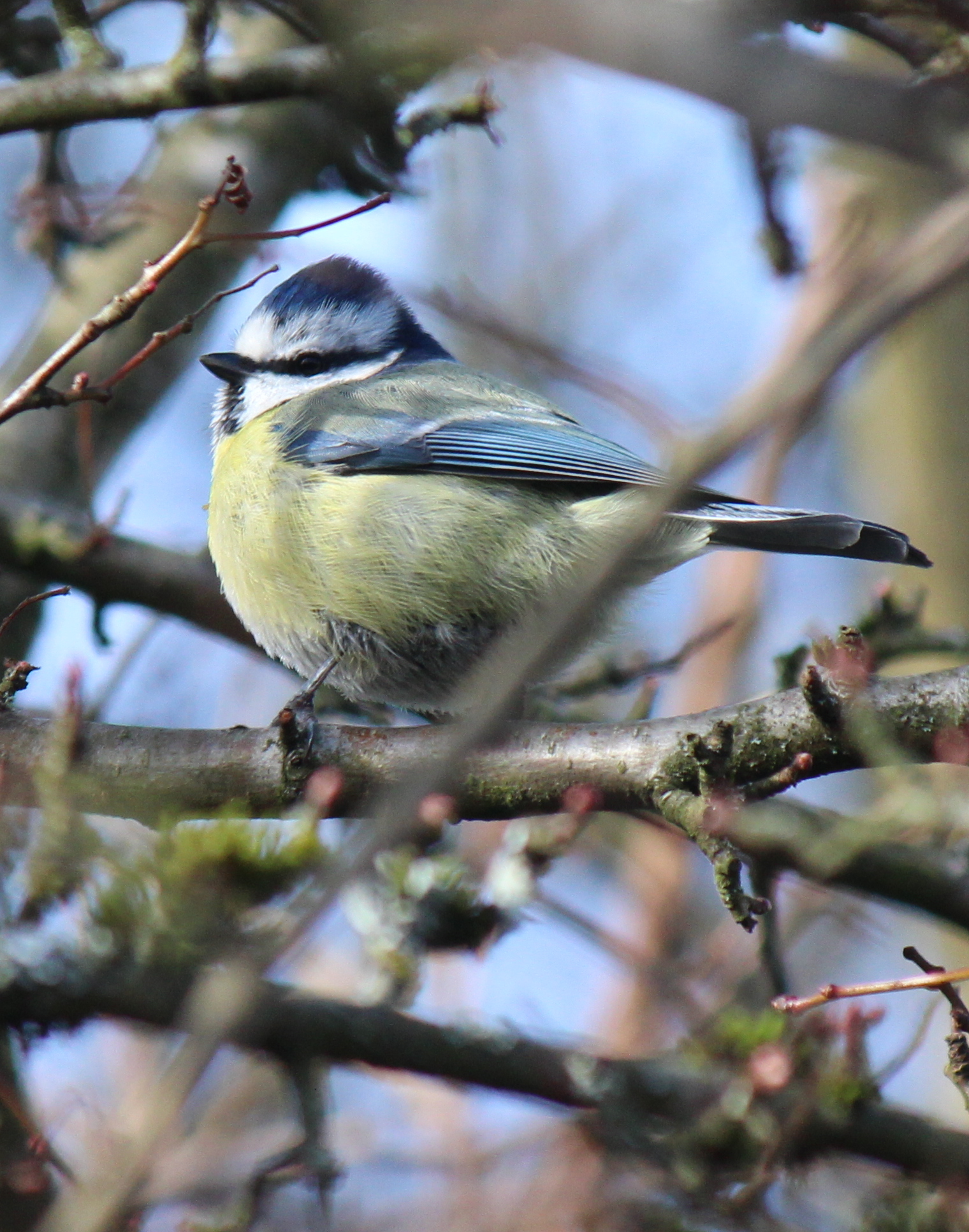
Where I live there are four main types of tit, the great tit, blue tit, coal tit and long tailed tit. The great tit is big and bolshy, belting out a loud two note call very early on in the new year. It can sound like a squeaky old fashioned pump. Some say it sounds like it is saying, “TEAcher, TEAcher, TEAcher”.
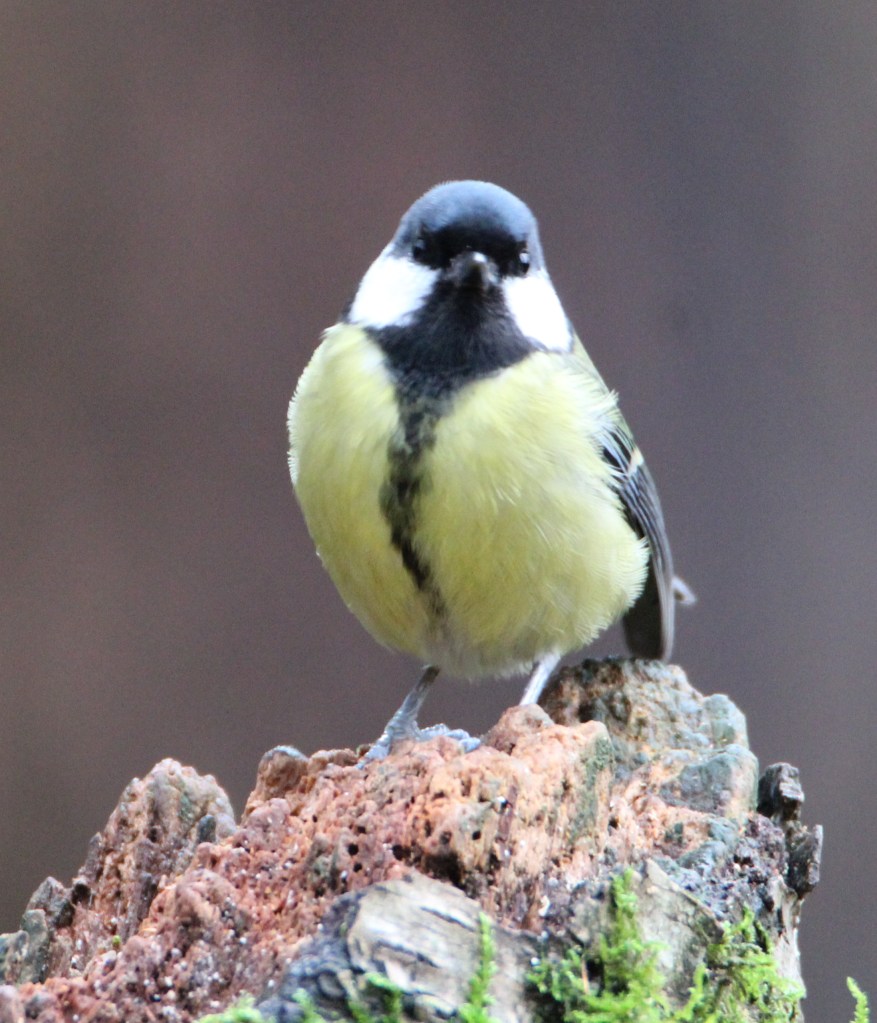
As well as being the biggest of the tits it is distinguished by a bold black stripe running down its yellow chest.
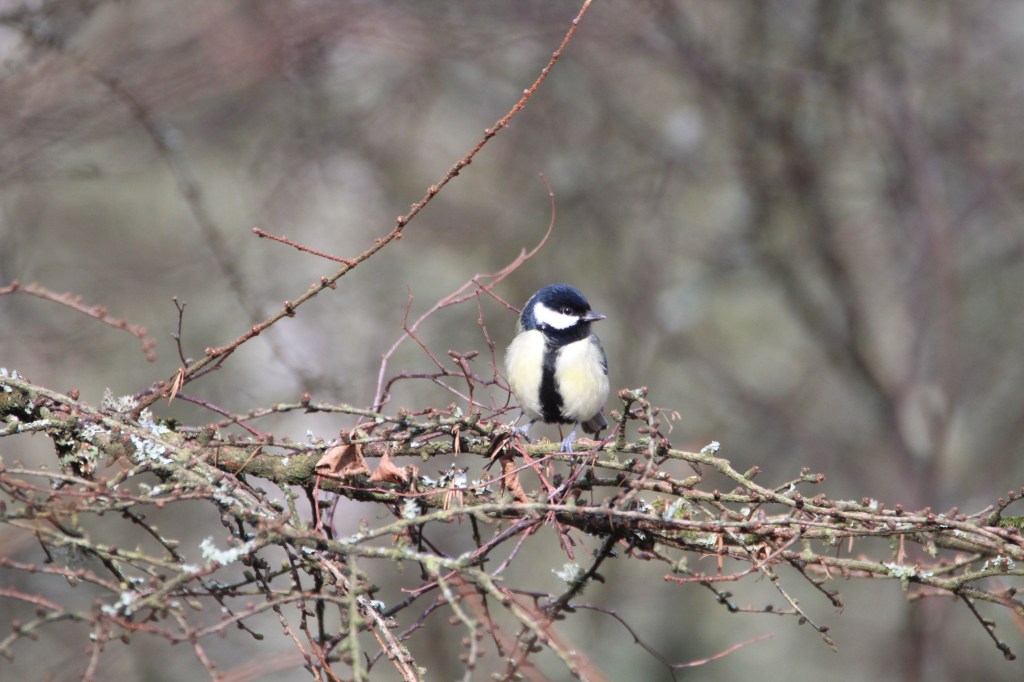
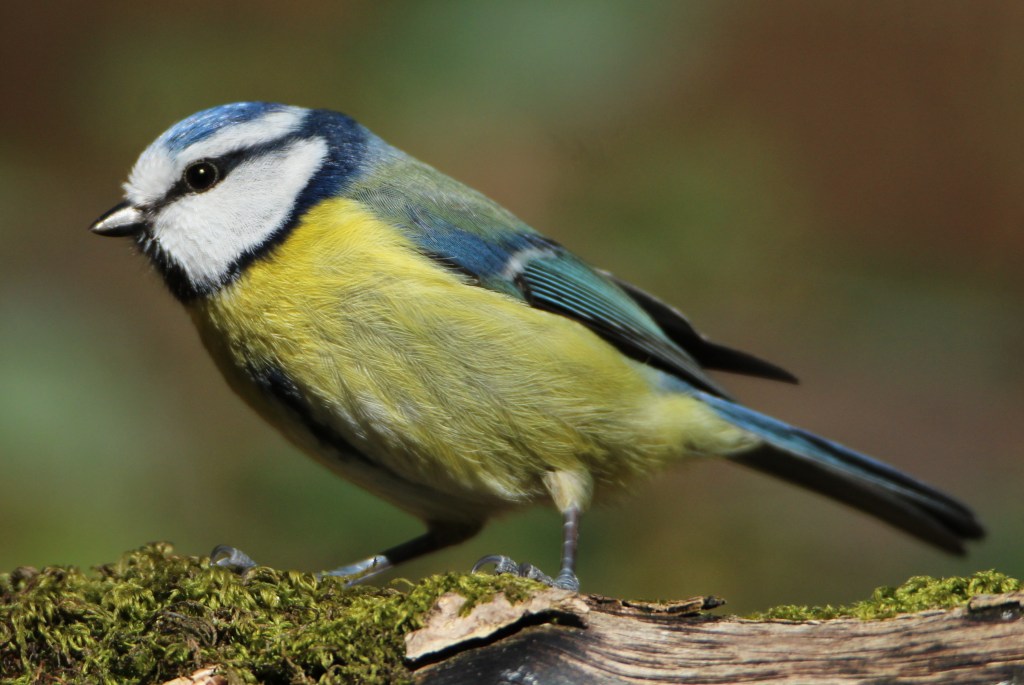
The blue tit is smaller and has more blue on its head and wings. It can have a bit of a black stripe on its chest but this is not as marked as on the great tit. It has a quieter sweeter chirruppy song.
Last year my husband gifted me a super wee paperback called “Bird Watching With Your Eyes Closed” by Simon Barnes. It teaches you step by step how to identify songs as winter moves into spring and it has an accompanying podcast.
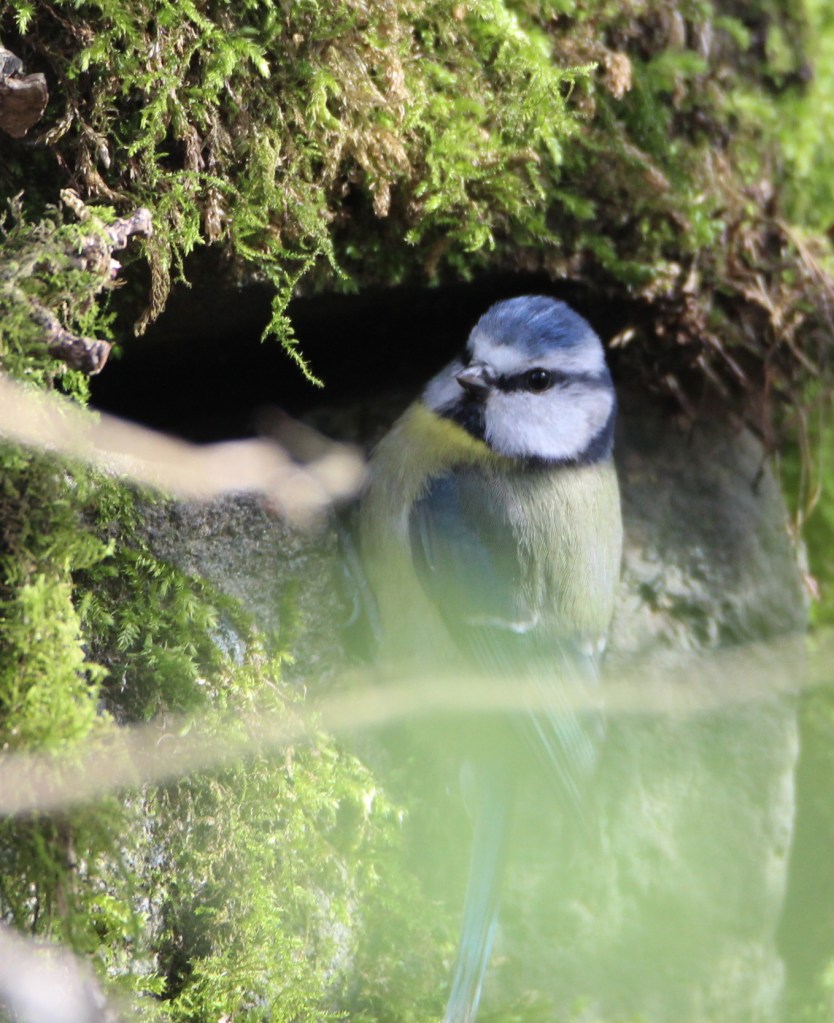
Blue tits and other small birds are already investigating possible nest sites for spring. They can be seen going in and out of holes in trees and banks. If you hear a churring sound that is the alarm call of tits.
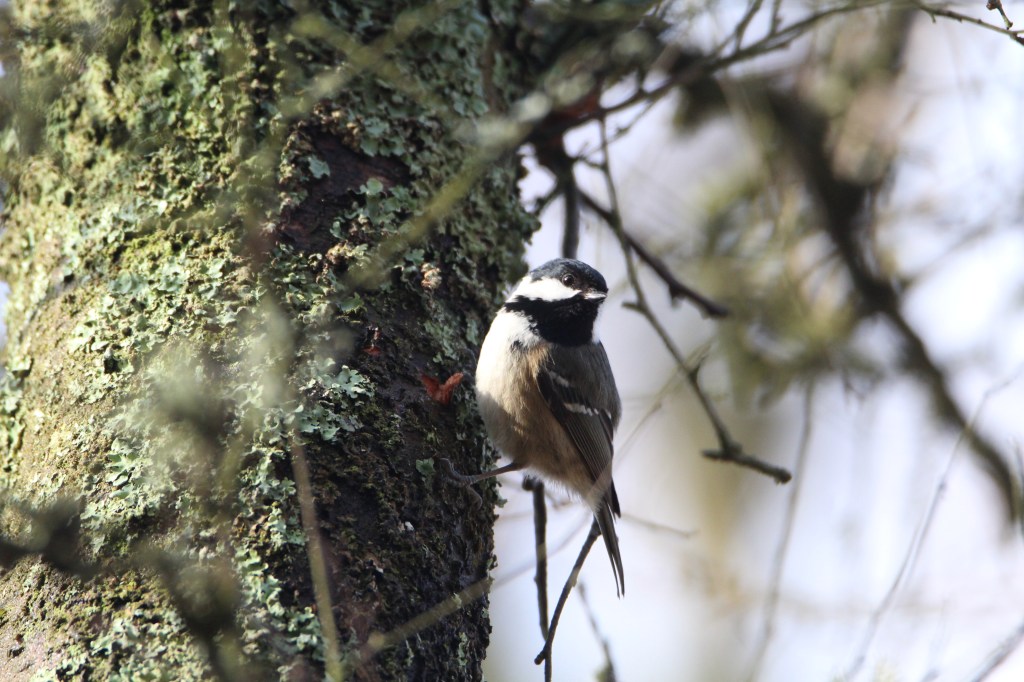
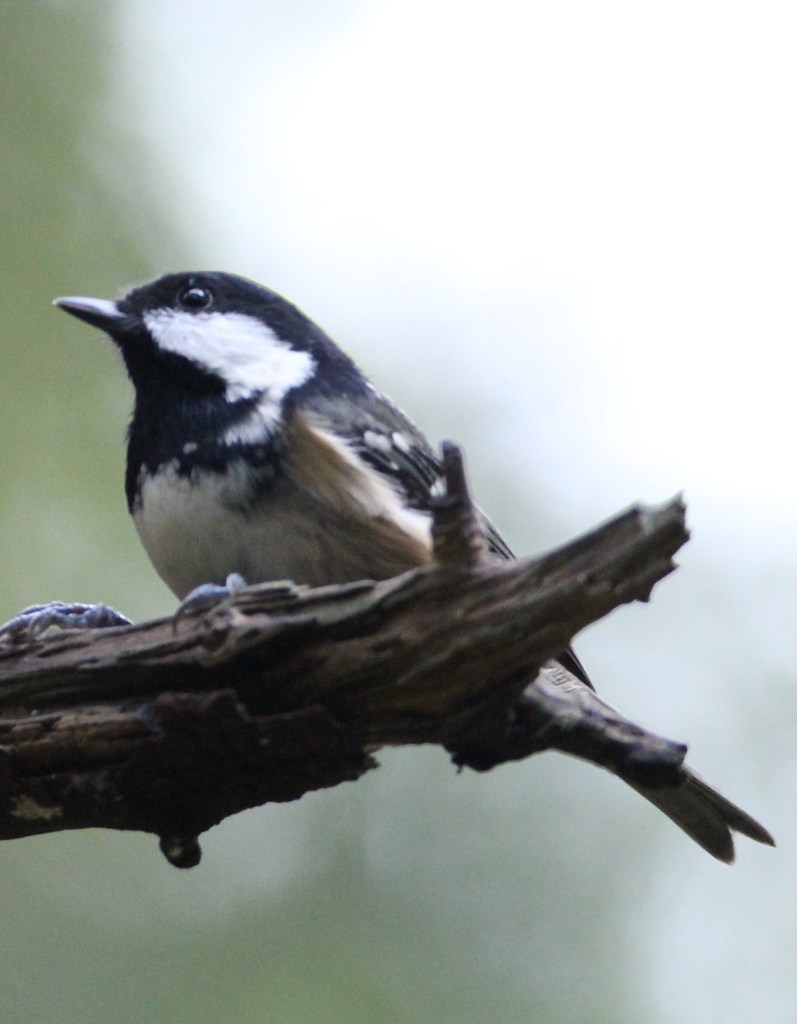
The smallest member of the tit family is the coal tit. It is a wee characterful bird with a creamy coloured chest and black head and throat. They often frequent the nut feeder in gardens too.
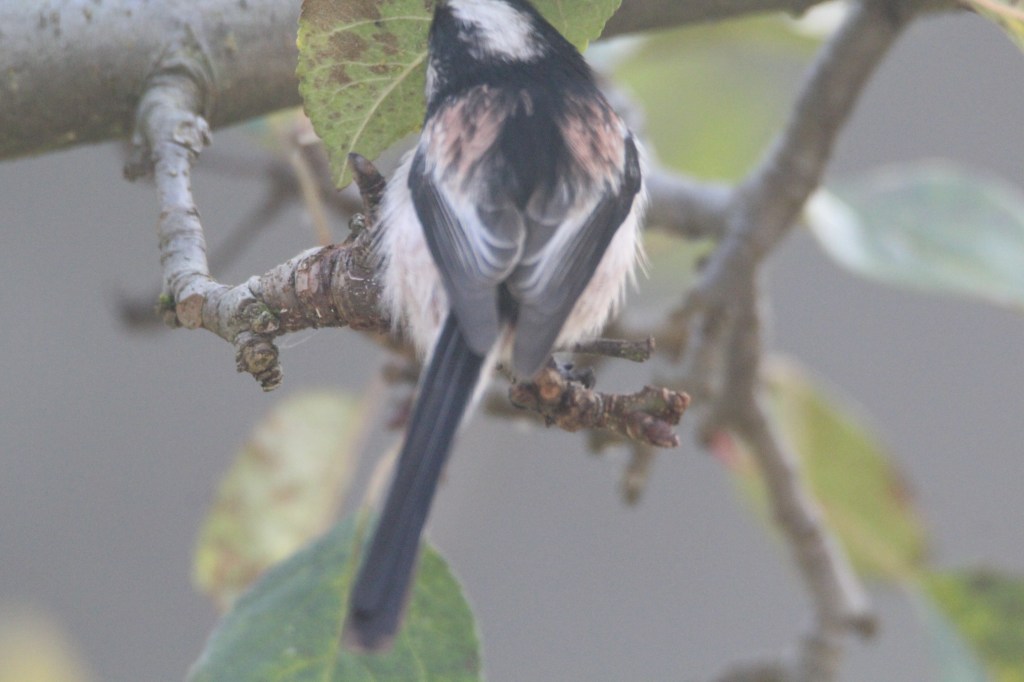
Sometimes you can be out and a group of birds will appear flitting from tree to tree and calling to each other with high pitched whistles sounding like “see, see, see.” These might be long tailed tits.
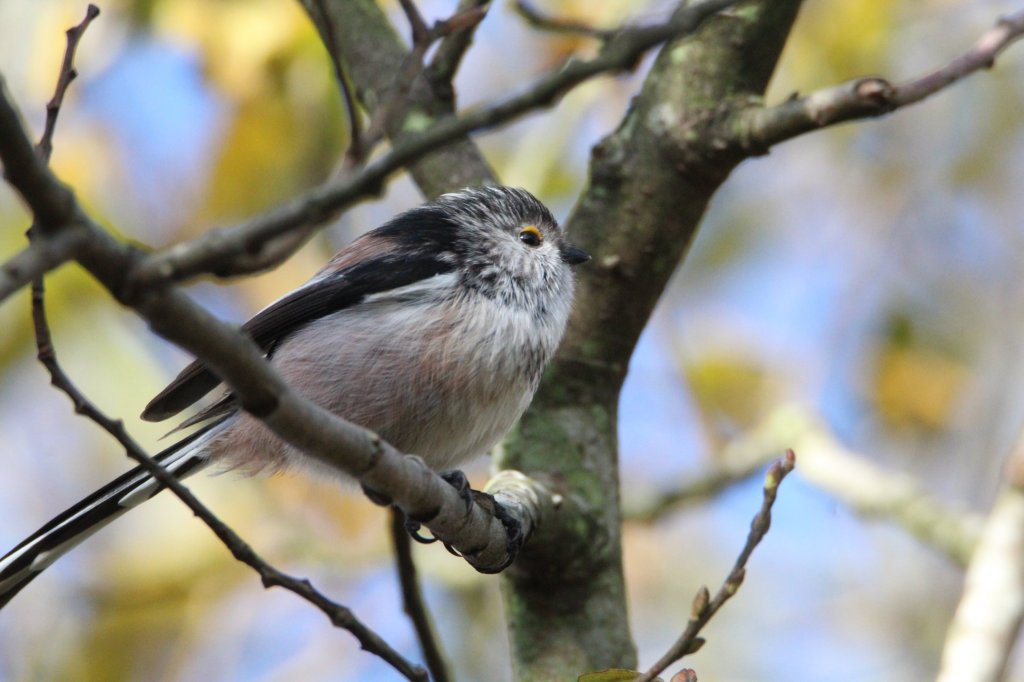
Long tailed tits are cheery cute wee birds, rounded like a feathered ping pong ball but with a very long dark tail. Simon Barnes describes “long tailies” in his book as being like “arboreal meerkats” as they watch out for each other in the trees.
There are other types of tits, some like the crested tits found up in the highlands and others found further south in England but these four are the ones I regularly enjoy hearing and seeing at the garden bird feeders or when out my daily walks.
 Sarah's Wildlife Watch