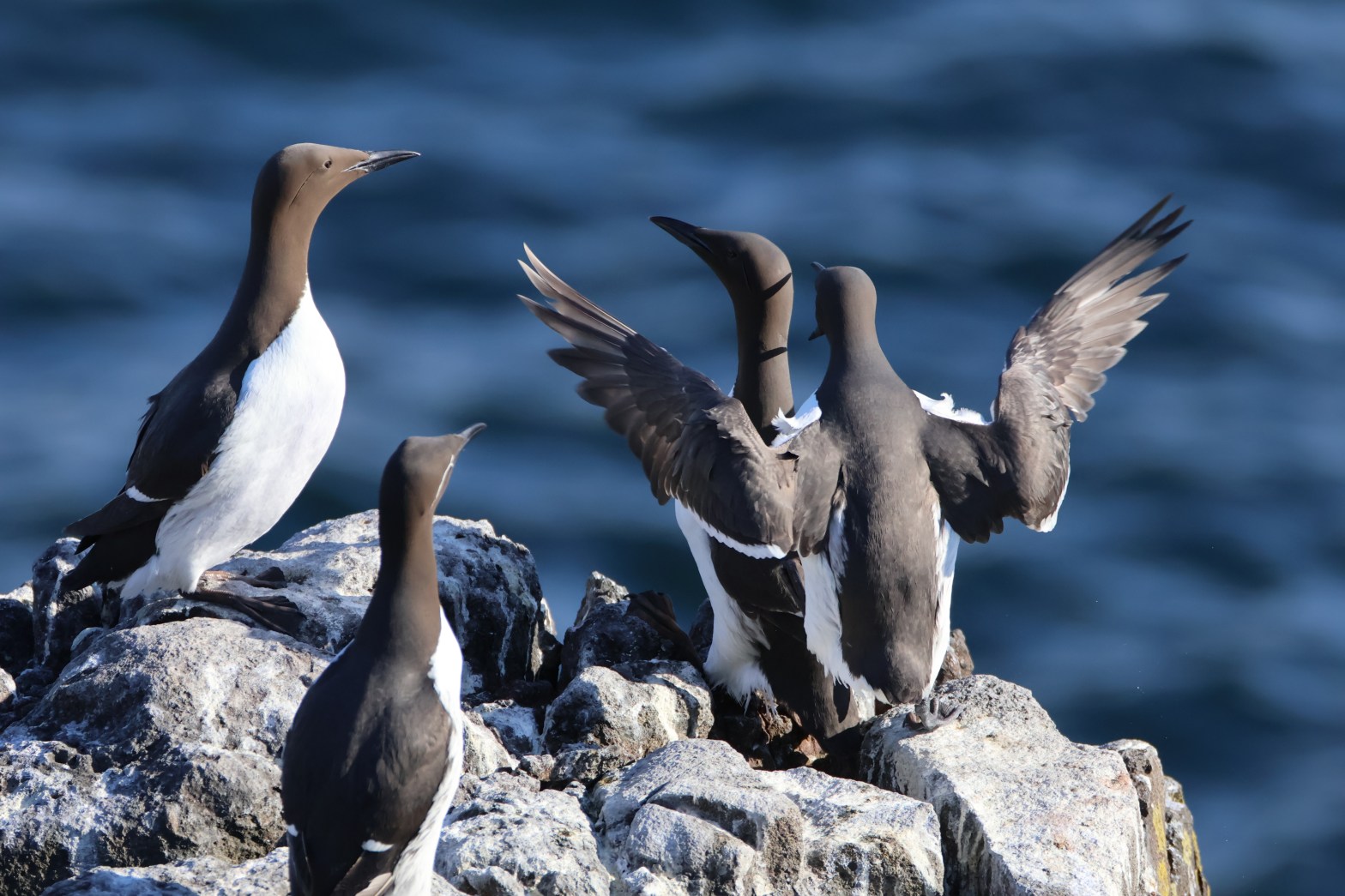
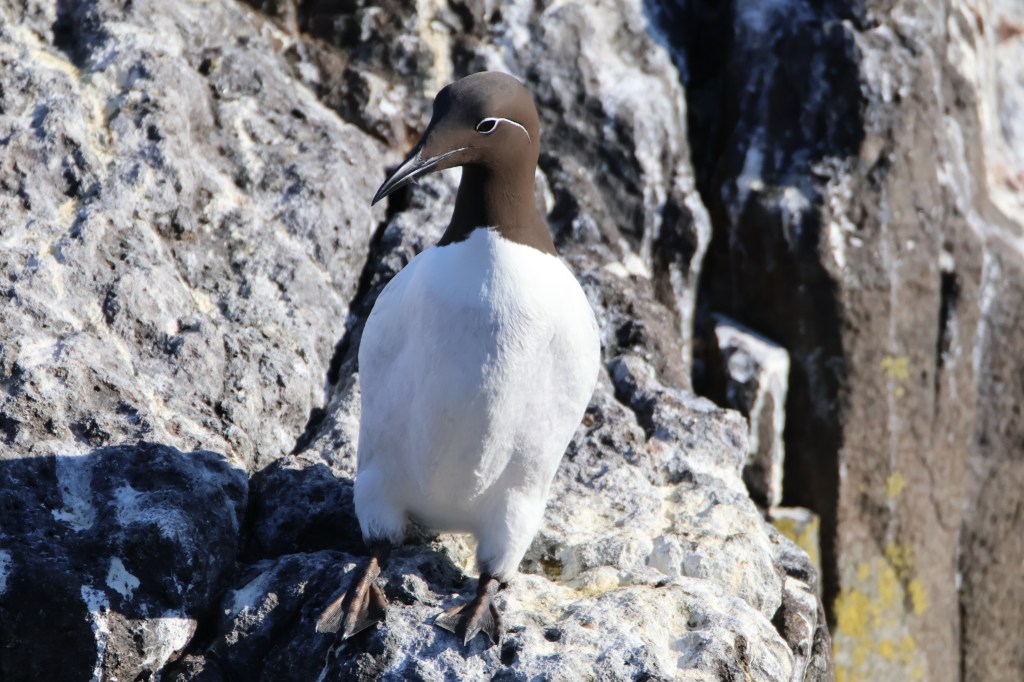
As well as the puffins on the Isle of May there are also loads of other birds of interest. On the sea and the cliffs are guillemots, which I think look a bit like penguins. A ranger pointed out a variant which had white rings around its eyes called a “bridled guillemot”. There are 20% in the south of England but only 5% in Scotland.
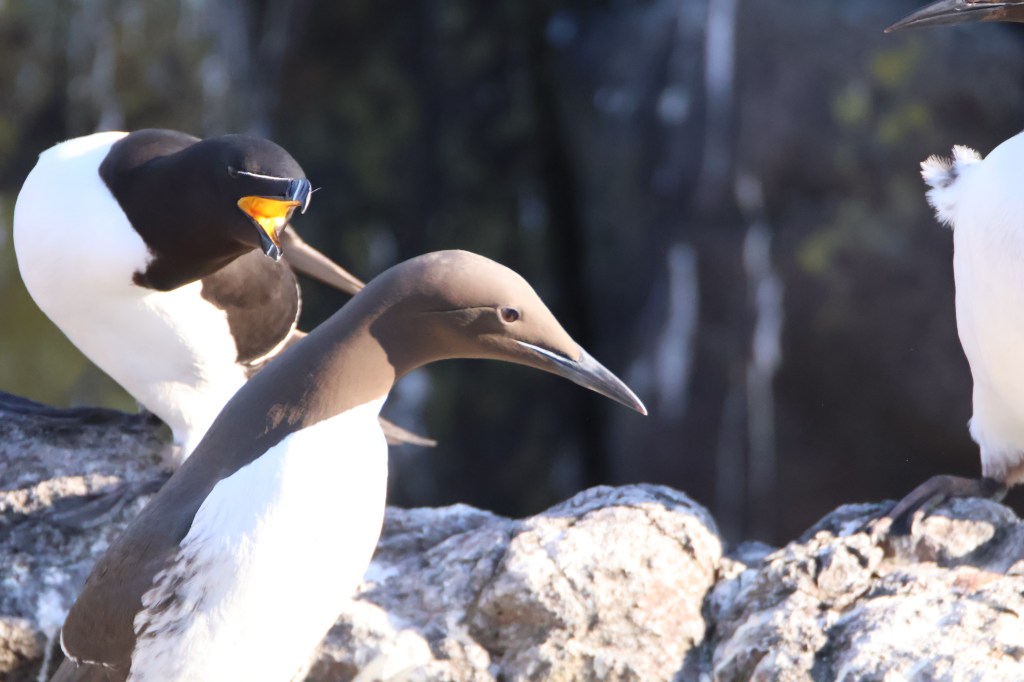
I was also told to look out for when razorbills open their beaks. They have incredibly dandelion yellow mouths. This one was giving a sounding off to a nearby guillemot who was not impressed.
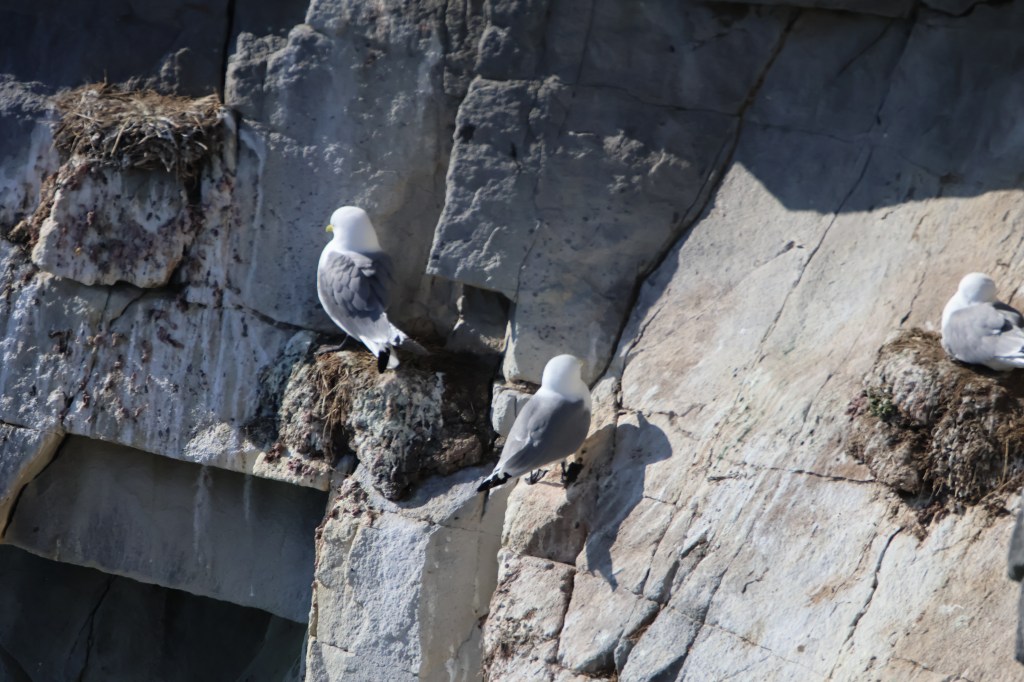
Then there are numerous gulls and kittiwakes breeding on very narrow ledges. Kittiwake eggs are elongated ovals so that they spin around rather than roll in one direction, thus preventing them tumbling off into the sea!
At this time of year many male eider ducks were throwing back their heads and displaying to the females. I love the sound that eiders make, “Ooh ooooh?” It sounds like they’ve just heard a particularly juicy bit of gossip.
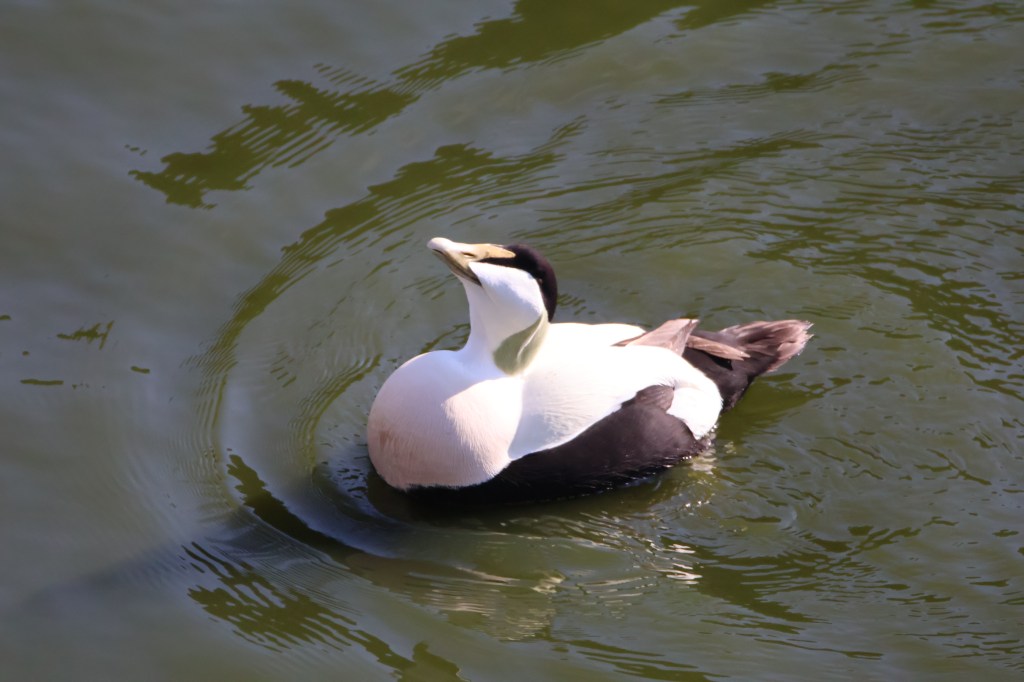
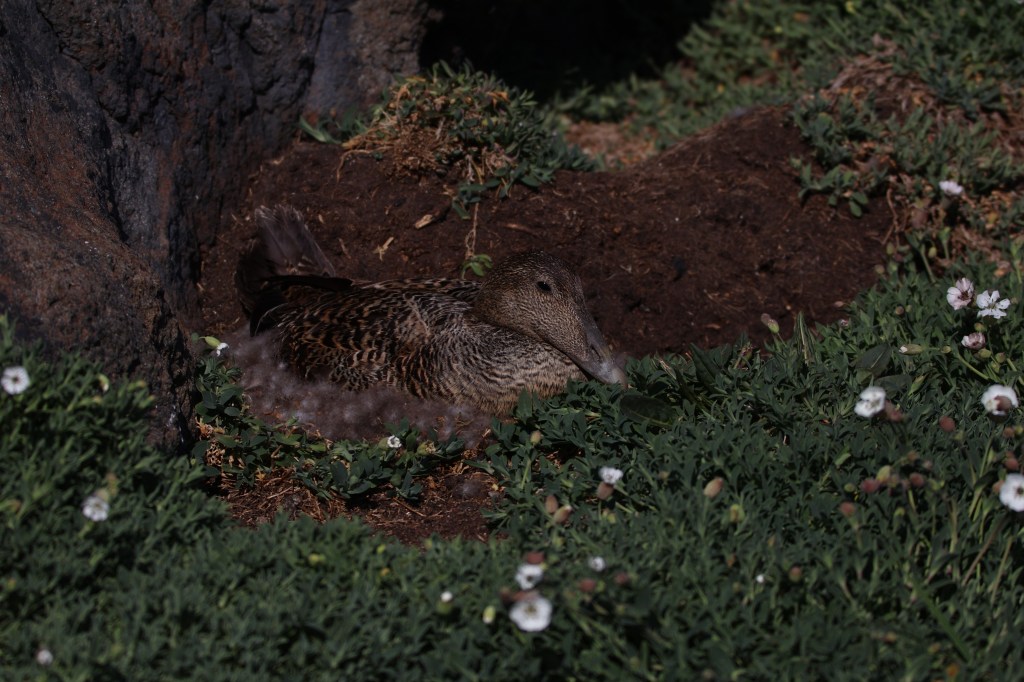
Some had already paired off. A few had made nests lined with fine eiderdown right next to the paths. The females are so camouflaged you could easily walk right past them.
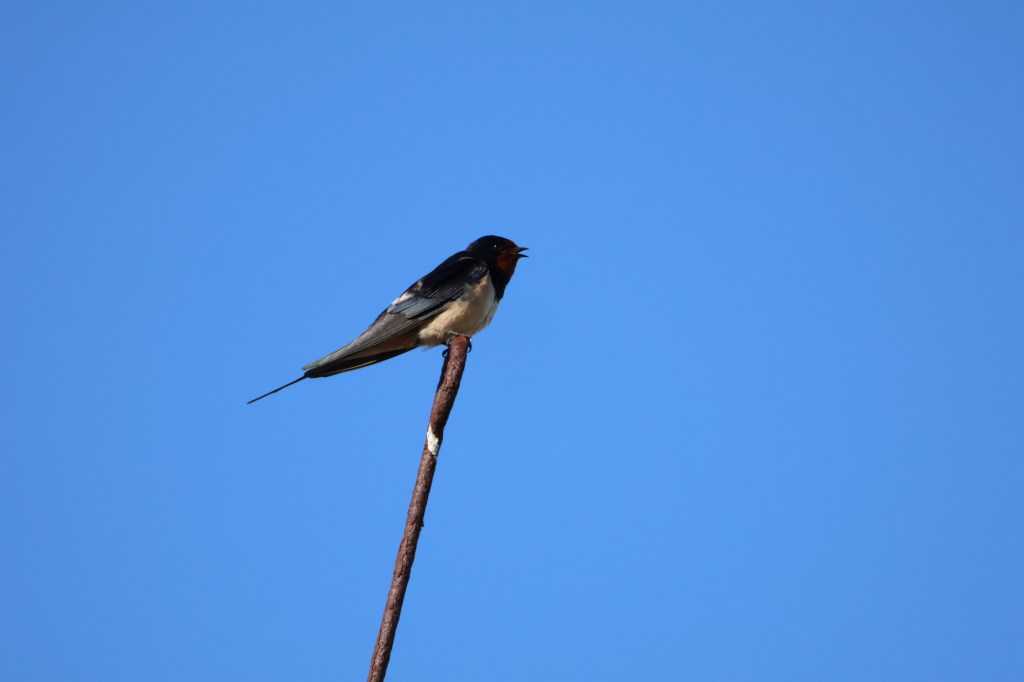
The Isle of May is a stopping off point for many migrant birds returning to Britain. I wonder if this swallow was going to stay or move on?
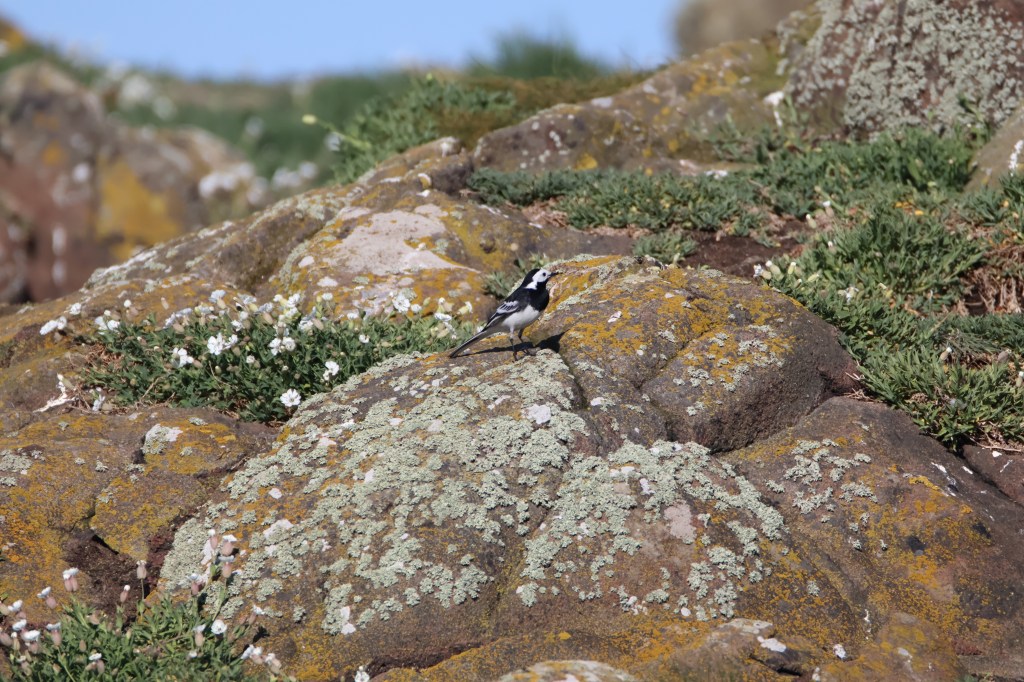
Lots of pied wagtails call the island home too.
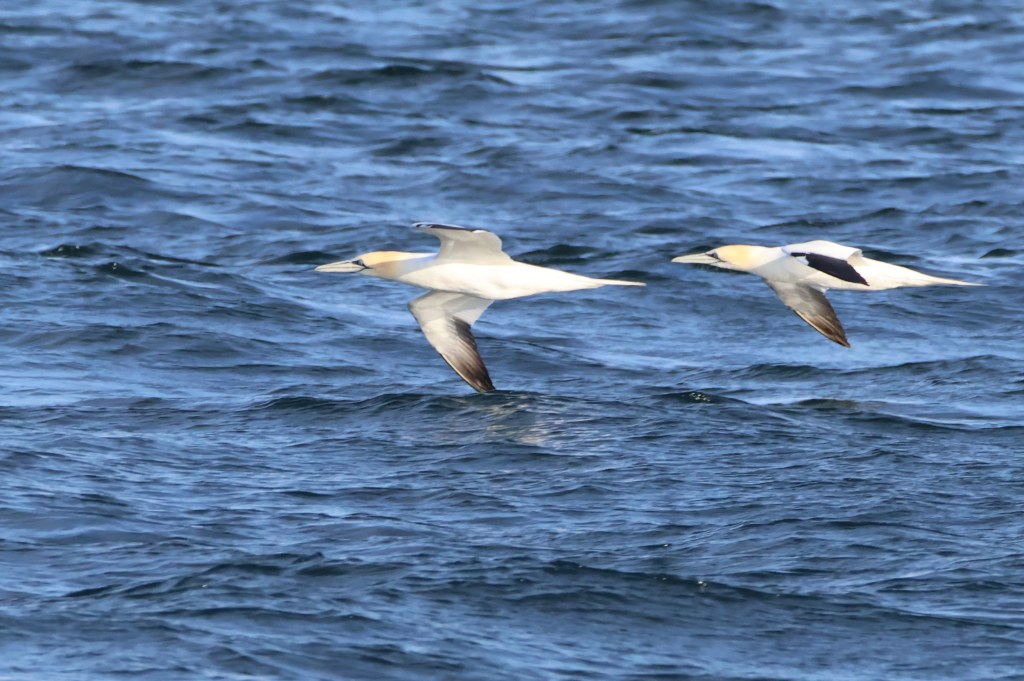
Terns return to breed here later on in the month. On our boat trip back to Anstruther we saw some gannets from the Bass Rock fly past.
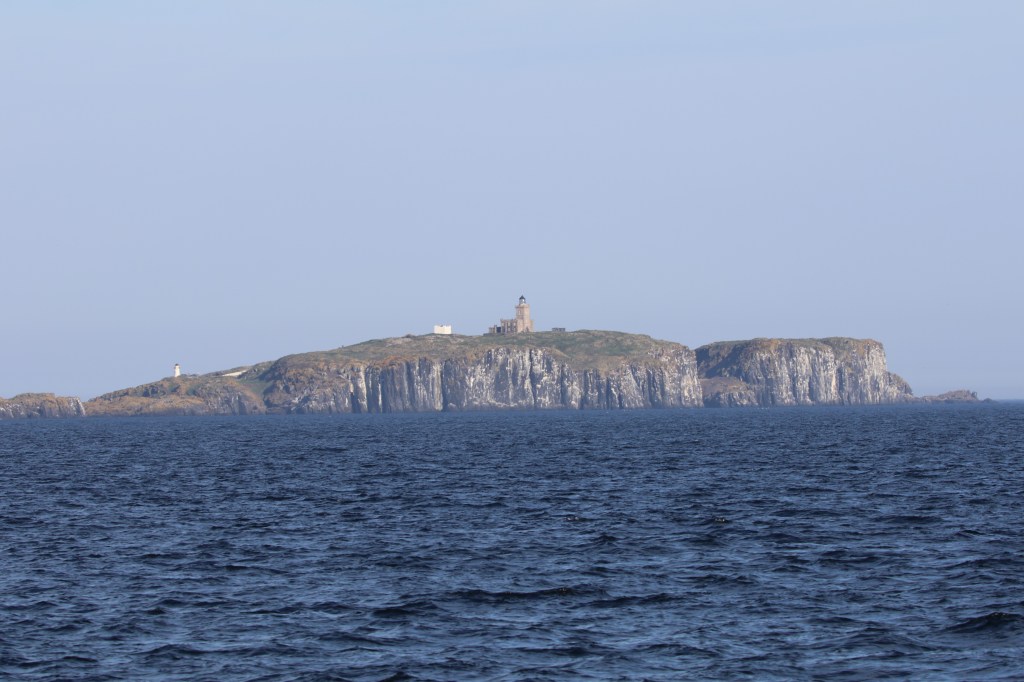
If you can manage to book a boat trip the Isle of May is always worth a visit!
 Sarah's Wildlife Watch